
How Much Does It Cost to Build a Custom Home Cost Toronto? (2026 Guide)
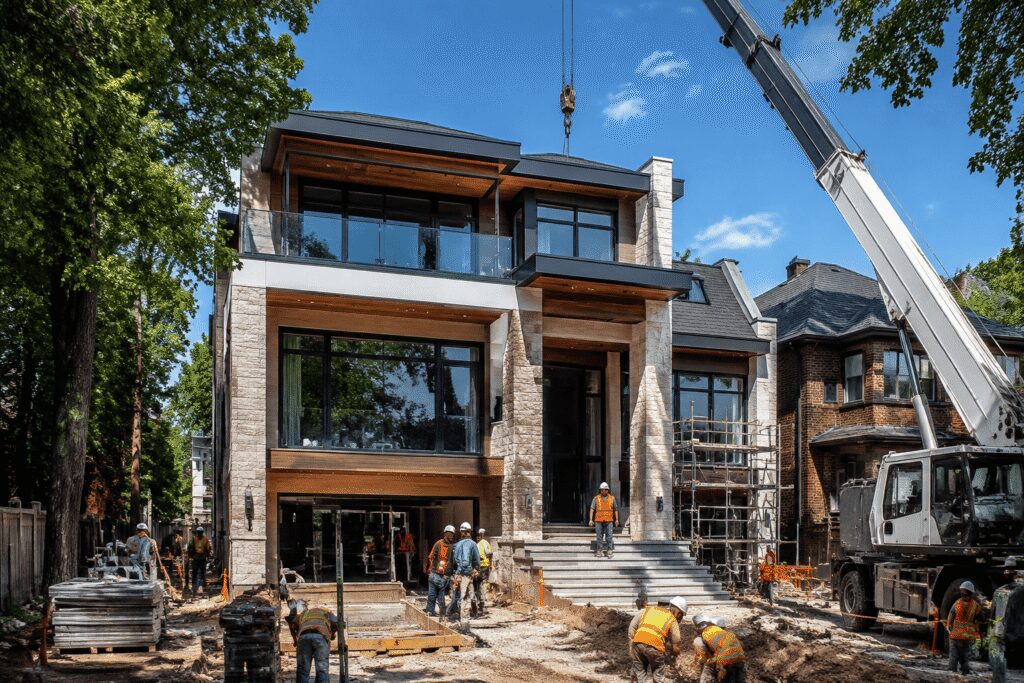
Building a custom home is one of the biggest investments you’ll ever make. Unlike purchasing an existing property, a custom build gives you complete control over the layout, finishes, energy efficiency, and lifestyle features that matter most. However, one of the first questions homeowners ask is: How much does it actually cost to build a custom home in Toronto?
The answer depends on several factors, including the size of the home, location, architectural design, construction quality, material selections, municipal requirements, and labour costs. Toronto’s competitive real estate market and evolving building standards also influence overall construction budgets.
Whether you’re planning your forever home, replacing an older property, or building on a vacant lot, understanding today’s construction costs will help you make informed financial decisions and avoid costly surprises.
In this guide, you’ll learn the average custom home cost in Toronto, the factors that affect pricing, typical cost ranges by home type, hidden expenses many homeowners overlook, and practical budgeting strategies to help you plan your project with confidence in 2026.
The average custom home cost Toronto ranges from approximately CAD $350 to $700+ per square foot in 2026, depending on the home’s size, architectural complexity, materials, finishes, lot conditions, and construction quality. Luxury custom homes with premium features can exceed CAD $900 per square foot.
Why Custom Home Costs Vary So Much
Unlike production homes, every custom home is unique.
A builder isn’t simply repeating the same floor plan hundreds of times. Instead, every project is designed around the homeowner’s goals, property, lifestyle, and budget.
Several variables influence the final investment, including:
- Lot location
- Architectural design
- Foundation requirements
- Structural engineering
- Building permits
- Labour availability
- Material selection
- Interior finishes
- Energy efficiency upgrades
- Landscaping and exterior work
Because no two projects are identical, it’s more useful to understand cost ranges than expect a fixed price.
Average Custom Home Cost in Toronto (2026)
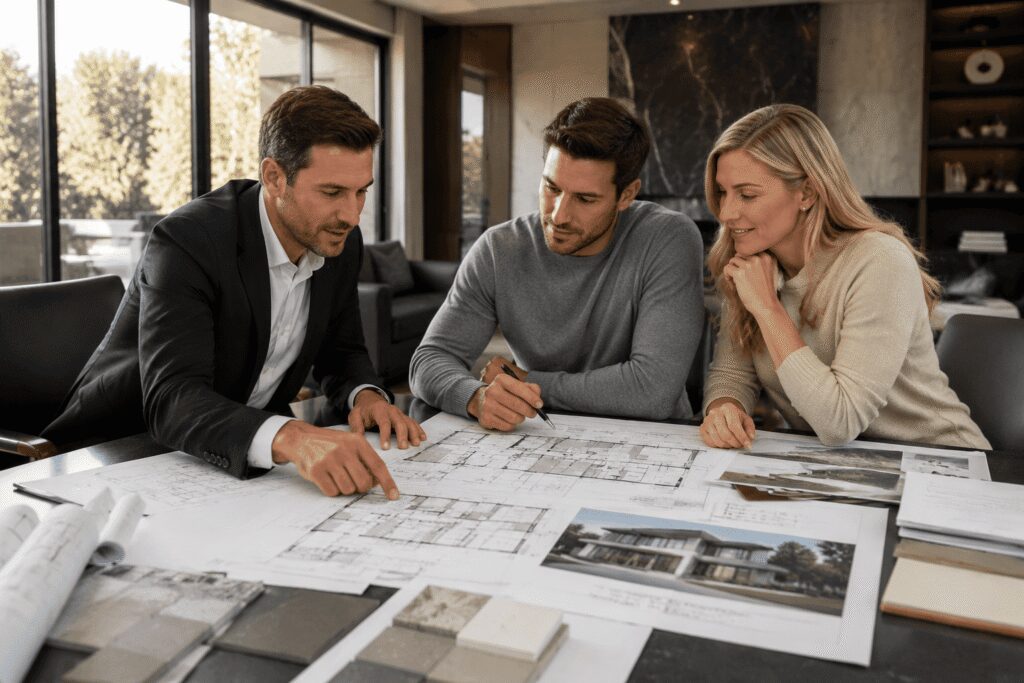
The table below provides general construction cost ranges for custom homes in the Greater Toronto Area. Actual pricing varies depending on your builder, specifications, site conditions, and level of customization.
| Build Quality | Estimated Cost (CAD / sq. ft.) |
|---|---|
| Entry-Level Custom Home | $350–$450 |
| Mid-Range Custom Home | $450–$600 |
| High-End Custom Home | $600–$800 |
| Luxury Estate Home | $800–$900+ |
These estimates generally cover construction costs only. Land acquisition, demolition, development charges, financing, landscaping, permits, and certain professional fees may be additional depending on the project.
What Does a Typical Custom Home Cost?
Here are some illustrative examples using common home sizes.
| Home Size | Estimated Construction Cost |
|---|---|
| 2,000 sq. ft. | $700,000–$1.2M+ |
| 2,500 sq. ft. | $875,000–$1.5M+ |
| 3,000 sq. ft. | $1.05M–$1.8M+ |
| 4,000 sq. ft. | $1.4M–$2.8M+ |
These examples are intended as planning estimates. Your final investment depends on the project’s design, specifications, and site conditions.
What Is Included in the Cost of Building a Custom Home?
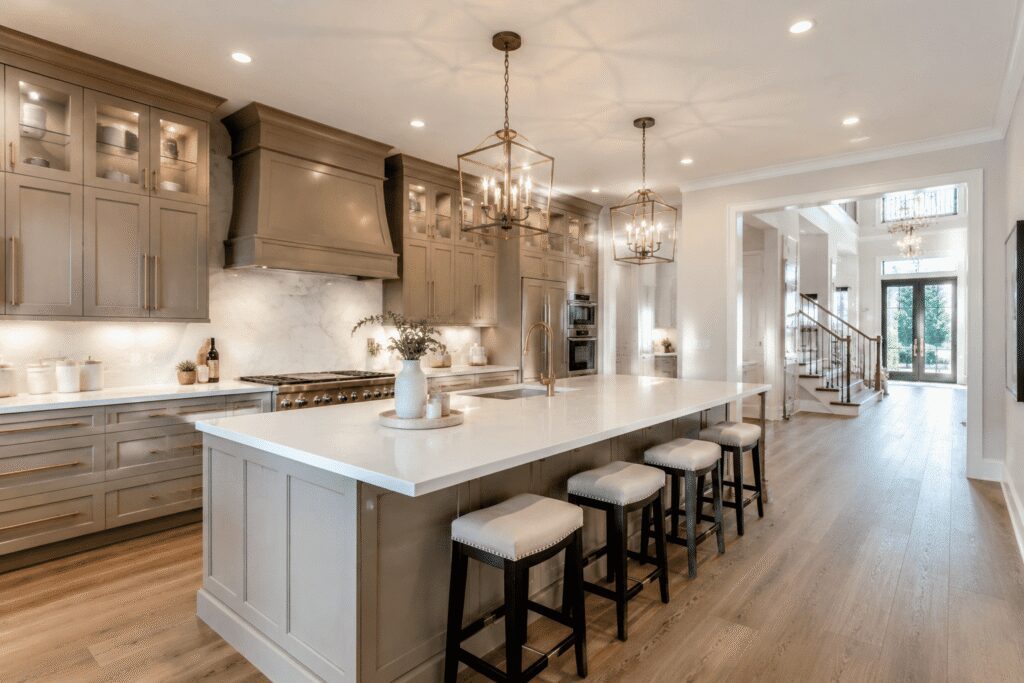
Many homeowners assume the quoted construction price includes every expense involved in building a house. In reality, a custom home budget is made up of many interconnected components.
Typical construction costs often include:
- Site preparation
- Excavation
- Foundation construction
- Structural framing
- Roofing
- Exterior walls
- Windows and exterior doors
- Plumbing
- Electrical systems
- HVAC installation
- Insulation
- Drywall
- Flooring
- Interior trim
- Kitchen installation
- Bathroom fixtures
- Interior painting
- Final finishing
Depending on the builder and contract, items such as landscaping, fencing, pools, driveways, premium appliances, smart home systems, and luxury upgrades may be priced separately.
10 Factors That Affect Custom Home Cost in Toronto
1. Lot Location
Location is one of the biggest cost drivers.
Building in established Toronto neighbourhoods often involves higher costs because of:
- Smaller lots
- Demolition requirements
- Limited site access
- Utility upgrades
- Tree protection regulations
- Municipal zoning restrictions
Neighbourhoods with higher land values also tend to require higher-quality finishes to match surrounding properties.
2. Home Size
Larger homes naturally cost more to build.
However, the cost per square foot doesn’t always increase proportionally.
Certain fixed expenses—such as permits, architectural planning, engineering, and mobilization—are spread across a larger home, which can sometimes improve overall cost efficiency.
Instead of focusing only on square footage, consider how efficiently each room supports your family’s lifestyle.
3. Architectural Design Complexity
Simple rectangular homes are generally less expensive than highly customized designs.
Features that increase construction costs include:
- Multiple rooflines
- Large glass walls
- Open staircases
- Floating stairs
- Double-height ceilings
- Curved walls
- Cantilevered structures
- Walkout basements
- Custom exterior finishes
While these features create stunning visual impact, they also require additional engineering, skilled labour, and specialized materials.
4. Material Selection
The finishes you choose can dramatically influence your total budget.
For example, there can be a significant cost difference between:
- Luxury hardwood vs. engineered flooring
- Quartz vs. natural marble countertops
- Stock cabinetry vs. custom millwork
- Standard windows vs. premium energy-efficient glazing
- Builder-grade fixtures vs. designer collections
Selecting durable, high-quality materials often provides better long-term value, but it’s important to prioritize upgrades that align with your lifestyle and budget.
Why Building in Toronto Requires Careful Planning
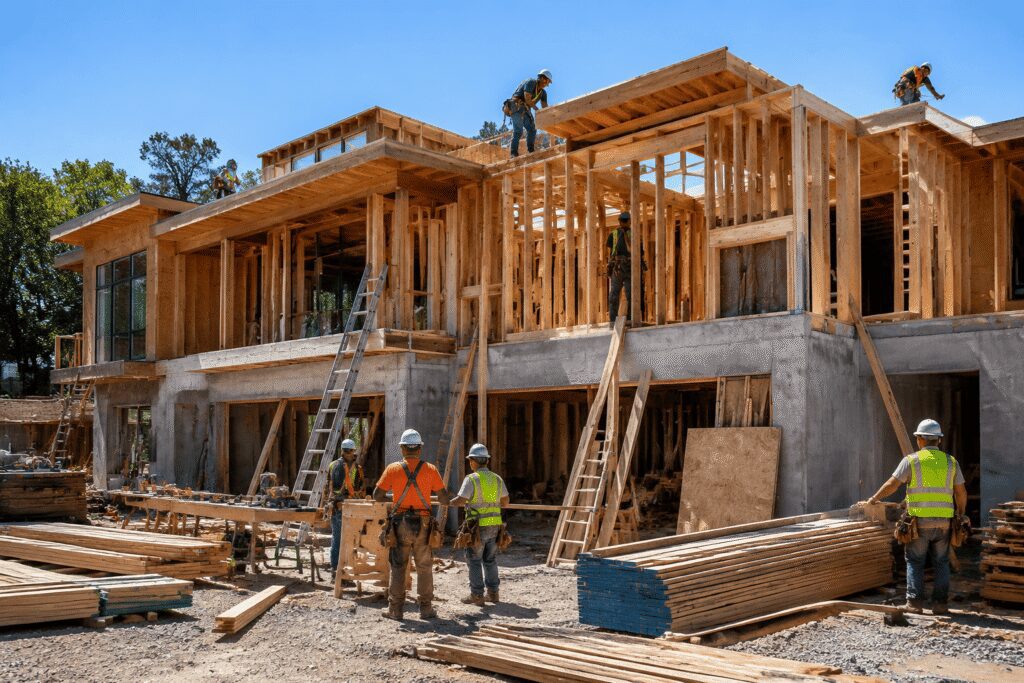
Toronto’s building environment is more complex than many other Canadian markets. Zoning bylaws, permit approvals, conservation requirements, energy-efficiency standards, and neighbourhood design guidelines can all influence project timelines and costs.
Working with an experienced design-build team early in the planning process helps identify potential challenges before construction begins. This proactive approach reduces delays, improves budgeting accuracy, and supports a smoother overall building experience.
Expert Planning Tip
The lowest construction quote isn’t always the best value. A comprehensive estimate that clearly outlines the project scope, material allowances, timelines, and potential contingencies often provides greater long-term confidence than a lower price with numerous exclusions.
If you’re considering building a custom home in Toronto or the surrounding GTA, consulting with an experienced builder like Everstruct during the planning stage can help you understand realistic construction costs, evaluate design options, and develop a budget tailored to your goals before breaking ground.
Estimated Budget Allocation
The following breakdown illustrates how construction costs are often distributed across a typical custom home project.
| Category | Approximate Budget Share |
|---|---|
| Foundation & Structure | 20–25% |
| Exterior Envelope | 15–20% |
| Mechanical Systems (HVAC, Plumbing, Electrical) | 15–20% |
| Interior Finishes | 20–25% |
| Kitchen & Bathrooms | 10–15% |
| Design, Permits & Miscellaneous | 5–10% |
Actual allocations vary based on design choices, material selections, and project scope.
5. Site Preparation and Lot Conditions
Before construction begins, the building site must be properly prepared.
Every lot presents unique challenges that can significantly impact the overall construction budget.
Common site preparation costs include:
- Demolition of an existing home
- Tree removal
- Excavation
- Soil testing
- Rock removal
- Utility relocation
- Grading and drainage improvements
- Temporary site access
A vacant, level lot is generally less expensive to build on than an older infill property requiring demolition and extensive site work.
6. Building Permits and Municipal Fees
Every custom home in Toronto requires permits and approvals before construction can begin.
Depending on the project, these may include:
- Building permits
- Development charges (where applicable)
- Tree protection permits
- Conservation authority approvals
- Utility connection fees
- Engineering reviews
- Occupancy inspections
These costs should always be included in your overall project budget rather than treated as unexpected expenses.
7. Labour Costs
Labour is one of the largest components of custom home construction.
Experienced professionals—including framers, electricians, plumbers, HVAC technicians, roofers, finish carpenters, and painters—play a critical role in delivering a high-quality home.
Skilled labour shortages and increased demand in the Greater Toronto Area can influence project timelines and pricing, making early planning especially important.
8. Energy Efficiency and Smart Home Features
Modern homeowners increasingly prioritize sustainability and long-term operating savings.
Popular upgrades include:
- High-performance insulation
- Triple-pane windows
- Heat pump systems
- Smart thermostats
- Solar-ready infrastructure
- EV charging stations
- Energy-efficient lighting
- Advanced home automation
Although these features increase the initial investment, they may reduce long-term utility costs and improve overall home comfort.
9. Interior Finishes and Customization
Interior selections often represent the biggest opportunity to adjust your budget.
Standard Finishes
- Luxury vinyl flooring
- Quartz countertops
- Stock cabinetry
- Standard plumbing fixtures
- Basic lighting packages
Premium Finishes
- Hardwood flooring
- Custom millwork
- Natural stone countertops
- Designer lighting
- Premium appliances
- Luxury bathrooms
- Built-in storage
- Feature walls
Even small upgrades across multiple rooms can significantly affect the final project cost.
10. Landscaping and Exterior Features
Many homeowners focus only on the house itself and overlook exterior improvements.
Additional investments may include:
- Driveways
- Walkways
- Decks
- Patios
- Fencing
- Outdoor kitchens
- Retaining walls
- Irrigation systems
- Landscaping
- Exterior lighting
Planning these features early helps create a more accurate overall budget.
Hidden Costs Many Homeowners Forget
Construction costs extend beyond the visible structure.
Some frequently overlooked expenses include:
- Architectural drawings
- Structural engineering
- Interior design
- Surveying
- Financing costs
- Insurance
- Temporary accommodation during construction
- Appliance upgrades
- Window coverings
- Furniture
- Utility connection fees
- Contingency allowance
A good rule of thumb is to reserve 10–15% of your total project budget for unforeseen expenses, as custom home projects can encounter unexpected site conditions or owner-requested changes.
Custom Home vs. Buying an Existing Home
Many buyers wonder whether building a custom home is worth the additional investment.
| Custom Home | Existing Home |
|---|---|
| Personalized design | Fixed layout |
| Modern energy efficiency | May require upgrades |
| New construction warranties | Older systems may need repairs |
| Customized finishes | Existing finishes |
| Higher upfront investment | Lower initial purchase price (in many cases) |
| Built for your lifestyle | Compromises often required |
If your priority is long-term functionality, energy efficiency, and personalized design, a custom home can provide lasting value despite the higher initial investment.
How to Budget for a Custom Home
A realistic budget starts with understanding your priorities.
Step 1: Define Your Goals
Decide which features are essential and which are optional.
Step 2: Understand Total Project Costs
Remember to include:
- Land (if applicable)
- Construction
- Design fees
- Permits
- Landscaping
- Appliances
- Furniture
- Contingency fund
Step 3: Prioritize Long-Term Value
Instead of investing in every luxury finish, focus on upgrades that improve:
- Energy efficiency
- Structural quality
- Building envelope performance
- Kitchen functionality
- Bathroom durability
- Storage solutions
These features typically provide better long-term returns than purely cosmetic upgrades.
Planning Your Custom Home Starts with the Right Team
Building a custom home is about much more than construction—it’s about creating a home that reflects your lifestyle, future goals, and personal vision. Choosing an experienced team early in the planning process helps you establish a realistic budget, streamline approvals, avoid costly design revisions, and make informed decisions from concept to completion.
At Everstruct, we proudly help homeowners throughout Toronto, ON, Canada transform ideas into beautifully crafted custom homes through a fully integrated design-build approach. From the initial consultation to final construction, our experienced professionals focus on quality craftsmanship, transparent communication, and long-term value at every stage of your project.
Whether you’re building on a vacant lot, replacing an existing home, or creating your forever home, our collaborative process ensures your project stays aligned with your goals, timeline, and budget.
Explore Our Residential Construction Services
Everstruct provides complete residential construction solutions under one roof, making the entire building process more efficient and stress-free.
Our services include:
Design
Transform your ideas into functional, permit-ready architectural plans that combine aesthetics, practicality, and modern living.
Engineering
Ensure your custom home is built on a solid foundation with professional structural engineering, technical planning, and code-compliant solutions.
Construction
From excavation to final finishes, our construction team delivers high-quality workmanship using proven building practices and premium materials.
Outdoor Living Spaces
Extend your home’s living area with beautifully designed outdoor environments, including patios, decks, outdoor kitchens, entertainment spaces, and custom exterior features.
Why Homeowners in Toronto Choose Everstruct
Homeowners throughout Toronto, ON, Canada choose Everstruct because we manage every stage of the project through one experienced team. This integrated approach reduces communication gaps, improves project coordination, and delivers a smoother construction experience.
When you work with Everstruct, you benefit from:
- Comprehensive design-build expertise
- Professional engineering solutions
- High-quality residential construction
- Custom outdoor living space design
- Transparent project communication
- Quality craftsmanship
- Personalized customer service
- A commitment to delivering projects on time and within budget
Discover More from Everstruct
Planning your dream home doesn’t stop with construction.
We invite you to:
- Visit our Service page to learn more about Everstruct and our approach.
- Explore our Design services to see how thoughtful planning creates better homes.
- Learn about our Engineering solutions that ensure structural integrity and long-term performance.
- Discover our Construction services for complete custom home building.
- Browse our Outdoor Living Space projects to create functional and beautiful outdoor environments.
- Visit our Gallery to view completed residential projects and design inspiration.
- Contact our team to schedule a consultation and discuss your custom home project in Toronto, ON, Canada.
Whether you’re in the early planning stage or ready to begin construction, Everstruct is committed to delivering homes that combine exceptional craftsmanship, innovative design, and lasting value.
Common Mistakes That Increase Custom Home Costs
Avoiding these common mistakes can save both time and money.
1. Choosing a Builder Based Only on Price
A low estimate may exclude important work, resulting in costly change orders later.
2. Changing the Design During Construction
Making layout or finish changes after construction begins often increases labour costs and causes delays.
Underestimating Site Preparation
Ignoring soil conditions, demolition, or grading requirements can quickly impact your budget.
3. Not Including a Contingency Fund
Unexpected expenses are common in custom construction. A contingency reserve helps protect your financial plan.
4. Prioritizing Luxury Finishes Over Structural Quality
Invest first in the home’s structure, insulation, windows, and mechanical systems before allocating additional budget to premium finishes.
Frequently Asked Questions
1. How much does it cost to build a custom home in Toronto?
In 2026, custom home construction in Toronto typically ranges from CAD $350 to $700+ per square foot, depending on design complexity, materials, site conditions, and level of customization.
2. Is buying land included in the construction cost?
No. Construction estimates generally exclude land acquisition unless specifically stated in the builder’s proposal.
3. How long does it take to build a custom home?
Most custom homes take 12 to 24 months from planning and permits to final completion, depending on project size, approvals, and weather conditions.
4. What is the biggest factor affecting custom home cost?
The largest cost drivers are home size, architectural complexity, material selections, site conditions, labour, and municipal requirements.
5. Is building a custom home more expensive than buying an existing house?
Typically, yes. However, a custom home offers greater design flexibility, modern energy efficiency, lower maintenance requirements, and features tailored to your lifestyle.
6. Should I include a contingency budget?
Yes. Most construction professionals recommend reserving 10–15% of your overall budget to cover unexpected expenses or design changes.
Conclusion
Building a custom home in Toronto is a significant investment, but it also provides the opportunity to create a home that reflects your lifestyle, priorities, and long-term goals. While construction costs vary based on size, design, finishes, and site conditions, careful planning and realistic budgeting can help you avoid surprises and make confident decisions throughout the process.
By understanding what influences custom home costs—and by working with an experienced design-build team—you’ll be better prepared to balance quality, functionality, and value.
If you’re ready to start planning your dream home, Everstruct can help you navigate every stage of the journey, from concept and budgeting to design, permits, and construction. Contact our team today to discuss your vision and receive expert guidance tailored to your project in Toronto and the GTA.