Design Build vs Traditional Construction: Which Is Better in Toronto?

If you’re planning a residential or luxury construction project in Toronto, choosing between a Design Build approach and Traditional Construction is one of the most important decisions you’ll make.
A Design Build contractor manages the entire project—from planning and architectural design to engineering and construction—under one contract. Traditional construction separates these responsibilities among multiple professionals, requiring the homeowner to coordinate the project.
For homeowners seeking faster delivery, predictable budgets, and a streamlined experience, the Design Build model is often the better choice.
What is the difference between Design Build and Traditional Construction?
| Design Build | Traditional Construction |
|---|---|
| One contract | Multiple contracts |
| Single team | Separate architect & contractor |
| Faster project delivery | Longer timelines |
| Better budget control | More change orders |
| Better communication | Multiple stakeholders |
| Lower project risk | Higher coordination risk |
If you want a stress-free construction experience in Toronto with one expert team handling everything from design through completion, Design Build is typically the smarter choice. Traditional construction may work well for highly customized projects where separate design control is preferred, but it often involves longer timelines and more coordination.
Introduction
Building a new home, renovating an existing property, or creating a luxury outdoor living space is a significant investment. One of the first and most important decisions you’ll face is choosing the right project delivery method.
Many Toronto homeowners are familiar with hiring an architect first and then searching for a contractor later. This is known as the Traditional Construction model.
However, over the last decade, the Design Build approach has become increasingly popular across Toronto and the Greater Toronto Area (GTA). Instead of working with separate companies for architecture, engineering, and construction, homeowners collaborate with a single integrated team that manages every stage of the project.
This approach simplifies communication, reduces delays, and helps control costs from concept to completion.
At EVERSTRUCT, we believe successful construction begins with collaboration. By bringing designers, engineers, and construction professionals together under one roof, projects move more efficiently while maintaining exceptional quality and transparency.
Whether you’re planning a custom home, home addition, renovation, or outdoor living project, understanding these two construction models will help you make a confident decision.
Why This Decision Matters
The construction method you choose impacts almost every aspect of your project, including:
- Project budget
- Construction timeline
- Design flexibility
- Communication
- Quality control
- Risk management
- Client satisfaction
- Long-term property value
Selecting the wrong delivery model can lead to delays, unexpected costs, and avoidable frustration. Choosing the right one creates a smoother process and better results.
What Is Design Build?
A Design Build project delivery method combines architecture, engineering, project management, and construction into one integrated service.
Instead of hiring separate professionals, you work with a single company that oversees every phase of the project.
Typical Design Build workflow includes:
- Initial Consultation
- Site Evaluation
- Budget Planning
- Architectural Design
- Structural Engineering
- Permit Coordination
- Material Selection
- Construction
- Quality Assurance
- Final Project Handover
Because every team member collaborates from the beginning, decisions are made more efficiently, reducing delays and minimizing costly changes.
What Is Traditional Construction?
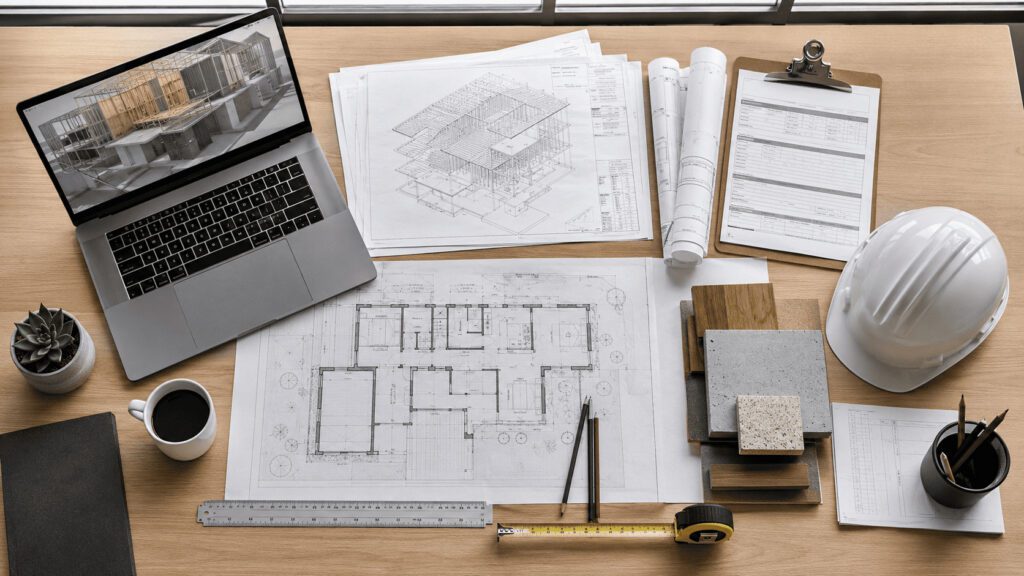
Traditional Construction—often referred to as Design-Bid-Build—follows a more segmented process.
In this model, the homeowner typically:
- Hires an architect.
- Completes the design.
- Requests bids from contractors.
- Selects a contractor.
- Begins construction.
While this approach offers flexibility in selecting professionals, it often requires the homeowner to coordinate communication between architects, engineers, consultants, and contractors.
This separation can increase the likelihood of scheduling conflicts, budget overruns, and design revisions during construction.
Design Build Process Explained
Below is a simplified overview of how a Design Build project typically progresses.
| Stage | Description |
|---|---|
| Discovery | Understand goals, lifestyle, and budget |
| Planning | Site analysis and feasibility review |
| Design | Architectural concepts and engineering |
| Budgeting | Cost estimates and value engineering |
| Permits | Municipal approvals and documentation |
| Construction | Coordinated building execution |
| Quality Control | Inspections and project management |
| Completion | Final walkthrough and handover |
This integrated workflow encourages collaboration from day one, helping reduce surprises and improve overall project outcomes.
Benefits of Hiring a Design Build Contractor in Toronto
Many homeowners choose the Design Build model because it offers practical advantages throughout the construction journey.
Some of the key benefits include:
- One dedicated point of contact
- Faster project completion
- Improved communication
- Better budget management
- Fewer change orders
- Early cost transparency
- Integrated architectural and engineering expertise
- Higher accountability
- Reduced project risk
- More predictable outcomes
For projects involving custom homes, major renovations, or outdoor living spaces, these benefits can translate into significant time and cost savings.
At EVERSTRUCT, our multidisciplinary team combines design, engineering, and construction expertise to deliver integrated residential projects across Toronto and the GTA. By managing each phase under one roof, we focus on quality craftsmanship, transparent communication, and efficient project delivery tailored to each client’s vision.
Design Build vs Traditional Construction: A Complete Comparison
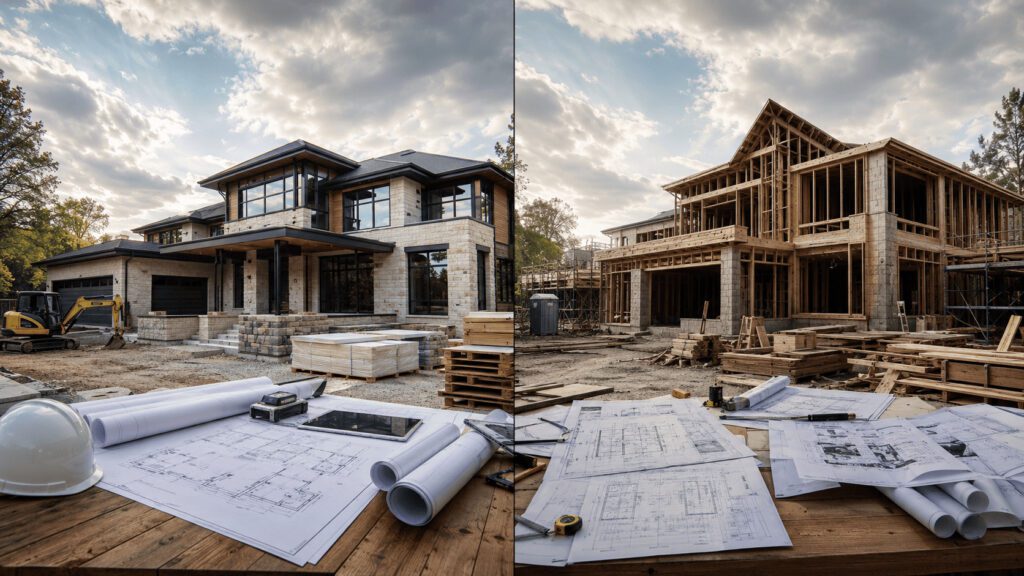
Choosing between Design Build and Traditional Construction is about more than selecting a contractor—it’s about deciding how your entire project will be planned, managed, and delivered.
For homeowners in Toronto, where construction costs, permit requirements, and project complexity continue to evolve, understanding these differences can help avoid delays, reduce unexpected expenses, and create a smoother building experience.
Below is a side-by-side comparison of both approaches.
| Feature | Design Build | Traditional Construction |
|---|---|---|
| Contract Structure | Single Contract | Multiple Contracts |
| Team Collaboration | Integrated Team | Separate Professionals |
| Communication | One Point of Contact | Multiple Contacts |
| Project Timeline | Faster | Usually Longer |
| Budget Accuracy | Higher | Variable |
| Change Orders | Fewer | More Frequent |
| Risk Allocation | Shared by One Team | Shared Across Multiple Parties |
| Accountability | Single Company | Split Responsibility |
| Construction Quality | Consistent | Depends on Coordination |
| Client Experience | Streamlined | More Hands-On |
For many residential projects in Toronto, the Design Build model provides greater efficiency because planning, design, engineering, and construction teams work together from day one.
1. Cost Comparison (2026)
One of the biggest concerns for homeowners is project cost.
While every construction project is unique, the way costs are managed differs significantly between these two delivery methods.
2. Design Build Cost Advantages
Because the contractor, designer, and engineers collaborate from the beginning, budgeting happens alongside the design process.
This allows the team to:
- Design within your budget
- Reduce unnecessary revisions
- Recommend cost-effective materials
- Prevent expensive redesigns
- Minimize construction delays
Instead of discovering budget issues after the drawings are complete, adjustments are made early—before construction begins.
Before starting any residential construction project, homeowners should review the Toronto building permits and construction requirements to understand local regulations, permit timelines, and project approval processes. Proper planning at the beginning can help reduce delays and unexpected costs later in the project.
3. Traditional Construction Cost Challenges
In a traditional model, homeowners often invest in completed architectural drawings before obtaining contractor pricing.
Sometimes contractors discover that:
- Materials exceed budget
- Structural revisions are required
- Engineering changes are necessary
- Labour costs are higher than expected
These situations frequently result in:
- Redesign costs
- Additional consultant fees
- Construction delays
- Budget overruns
Regardless of the project delivery method, all residential construction projects must comply with the Ontario Building Code requirements to ensure structural safety, quality standards, and legal compliance throughout the construction process.
Typical Cost Risk Comparison
| Category | Design Build | Traditional Construction |
|---|---|---|
| Budget Planning | Early | Late |
| Unexpected Costs | Lower | Higher |
| Value Engineering | Included | Usually Extra |
| Design Revisions | Minimal | Common |
| Cost Transparency | High | Moderate |
Timeline Comparison
Construction delays are among the most common frustrations for homeowners. The project delivery model directly affects how quickly work progresses.
Design Build Timeline
Because multiple departments work simultaneously, many tasks overlap.
For example:
- Engineering begins while design is being finalized.
- Material selection starts before permits are approved.
- Scheduling begins earlier.
- Procurement happens proactively.
This collaborative workflow often shortens the overall project timeline.
Traditional Construction Timeline
Traditional construction generally follows a sequential process:
Design
↓
Engineering
↓
Tender/Bidding
↓
Contractor Selection
↓
Construction
↓
Completion
Since each stage depends on the previous one being fully completed, delays in one phase can impact the entire schedule.
Timeline Comparison
| Phase | Design Build | Traditional |
|---|---|---|
| Planning | Faster | Slower |
| Design | Integrated | Independent |
| Engineering | Concurrent | Sequential |
| Construction Start | Earlier | Later |
| Overall Delivery | Faster | Longer |
Communication Comparison
Communication is one of the most overlooked aspects of a successful construction project.
1. Design Build
The homeowner communicates with a single project team.
Questions, revisions, approvals, and scheduling all flow through one coordinated system.
Benefits include:
- Faster decision-making
- Less confusion
- Fewer misunderstandings
- Better project visibility
- Improved client experience
2. Traditional Construction
Communication typically involves:
- Architect
- Engineer
- Contractor
- Interior Designer
- Consultants
- Suppliers
When multiple parties are responsible, misunderstandings can occur, particularly if responsibilities overlap.
3. Risk Management
Construction projects involve many risks, including:
- Material price fluctuations
- Design changes
- Permit delays
- Site conditions
- Scheduling conflicts
How these risks are managed differs significantly.
4. Design Build Risk Management
Because one company oversees the project, issues are resolved internally before they affect the client.
Examples include:
- Coordinating design revisions
- Adjusting schedules
- Managing subcontractors
- Controlling quality
- Tracking budgets
This integrated approach often results in fewer disputes and faster problem resolution.
5. Traditional Construction Risk
When separate companies are involved, determining responsibility can take time.
Common situations include:
- Architect blames contractor
- Contractor blames engineer
- Engineer requests redesign
- Homeowner coordinates communication
This fragmented structure can delay decision-making and increase project stress.
6. Quality Control
Quality isn’t determined only by workmanship—it also depends on planning, coordination, and execution.
7. Design Build
Quality control begins during design.
Because designers and builders collaborate throughout the project, construction methods are reviewed before work begins.
Benefits include:
- Better constructability
- Improved detailing
- Fewer installation errors
- Higher consistency
- Better finish quality
8. Traditional Construction
Quality largely depends on how well different professionals coordinate.
If communication breaks down between the architect and contractor, errors may not be identified until construction is underway.
Which Option Gives Better Value?
Many homeowners assume the lowest construction price represents the best value.
However, true value includes:
- Time saved
- Reduced stress
- Better communication
- Predictable budgeting
- Higher construction quality
- Long-term durability
For many custom residential projects, these factors often outweigh small differences in initial pricing.
Homeowners planning a custom home or major renovation can also explore the CMHC home building and renovation resources for practical guidance on budgeting, planning, financing, and managing residential construction projects in Canada.
Pros and Cons
1. Design Build
Advantages
✔ One contract
✔ Single project manager
✔ Better collaboration
✔ Faster construction
✔ Cost transparency
✔ Fewer change orders
✔ Better scheduling
✔ Lower project risk
✔ Higher accountability
✔ Simplified client experience
Considerations
- Less involvement in selecting separate consultants
- Best suited for clients who prefer an integrated project team
Traditional Construction
Advantages
✔ Independent architect selection
✔ Competitive contractor bidding
✔ Greater separation between design and construction
Considerations
- Longer timelines
- Multiple contracts
- More client coordination
- Increased risk of communication issues
- Greater likelihood of design revisions
- Higher potential for unexpected costs
Which Projects Are Best Suited for Design Build?
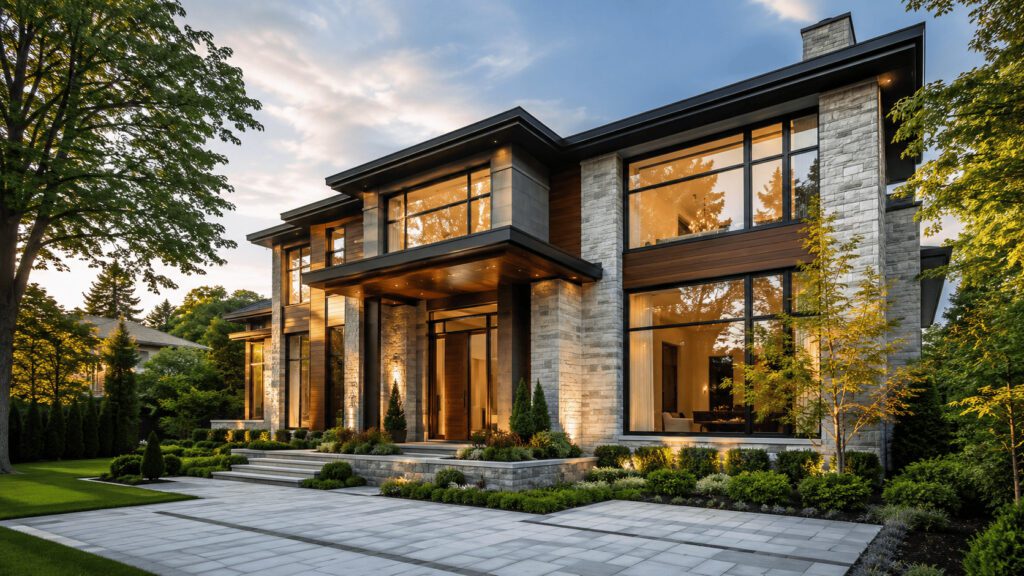
The Design Build model is especially well-suited for projects that require close coordination between design, engineering, and construction teams.
Examples include:
- Custom Home Construction
- Luxury Home Projects
- Whole Home Renovations
- Home Additions
- Outdoor Living Spaces
- Landscape Construction
- Multi-Phase Residential Projects
- Integrated Architectural Design
- Complex Structural Renovations
For these types of projects, having one experienced team manage the entire process can improve efficiency and reduce coordination challenges.
Toronto-Specific Considerations
Homeowners building in Toronto and the GTA often face unique challenges that make early planning especially important, such as:
- Municipal zoning regulations
- Building permit requirements
- Conservation authority approvals (where applicable)
- Limited lot sizes in established neighbourhoods
- Seasonal construction considerations
- Evolving building code requirements
- Material availability and pricing
An integrated Design Build team can address many of these factors during the planning stage, helping reduce delays later in the project.
Expert Insight (EEAT)
A successful construction project is rarely the result of good building alone—it begins with thoughtful planning, accurate budgeting, clear communication, and collaboration between every discipline involved.
At EVERSTRUCT, our integrated approach brings together designers, engineers, and construction professionals from the earliest stages of a project. This collaborative process helps identify challenges early, improve decision-making, and create a more efficient experience for homeowners throughout Toronto and the GTA.
How to Choose the Right Construction Method for Your Toronto Project
Every construction project is unique. The best delivery method depends on your goals, budget, timeline, and the level of involvement you want throughout the process.
Consider the following questions before making your decision:
- Do you want one company to manage the entire project?
- Is staying within budget a top priority?
- Do you prefer faster project completion?
- Are you building a custom home or completing a major renovation?
- Would you rather avoid coordinating multiple contractors and consultants?
If you answered “yes” to most of these questions, a Design Build approach may align better with your needs.
On the other hand, if you already have architectural plans and prefer to manage separate professionals independently, a Traditional Construction model may still be appropriate.
Real-World Scenarios
Scenario 1: Building a Custom Home
A family plans to build a luxury custom home in Toronto.
Traditional Construction
- Hire an architect
- Complete design
- Find engineers
- Tender to contractors
- Compare bids
- Begin construction
Estimated coordination:
Multiple professionals over several months.
Design Build
- Meet one integrated team
- Develop the design together
- Confirm the budget early
- Complete engineering
- Obtain permits
- Start construction
The homeowner has one point of contact throughout the project.
Scenario 2: Major Home Renovation
For a whole-home renovation involving structural changes, kitchen remodeling, and outdoor living upgrades, design, engineering, and construction decisions must stay aligned.
An integrated Design Build team can streamline communication and help ensure each phase supports the overall project vision.
Common Mistakes Homeowners Should Avoid
Many construction challenges can be avoided with careful planning. Here are some common pitfalls:
1. Choosing Based on Price Alone
The lowest quote may not reflect the total project cost if unexpected changes arise later.
2. Starting Without a Defined Budget
Clear financial planning from the beginning helps guide design decisions and reduces costly revisions.
3. Ignoring Permit Requirements
Municipal approvals are an essential part of most residential construction projects. Understanding local requirements early can prevent delays.
4. Hiring Multiple Teams Without Coordination
When responsibilities are spread across several companies, communication becomes more complex and issues can take longer to resolve.
5. Overlooking Future Needs
Think beyond today’s requirements. Consider how your home may need to accommodate future lifestyle changes.
Why Toronto Homeowners Are Choosing Design Build
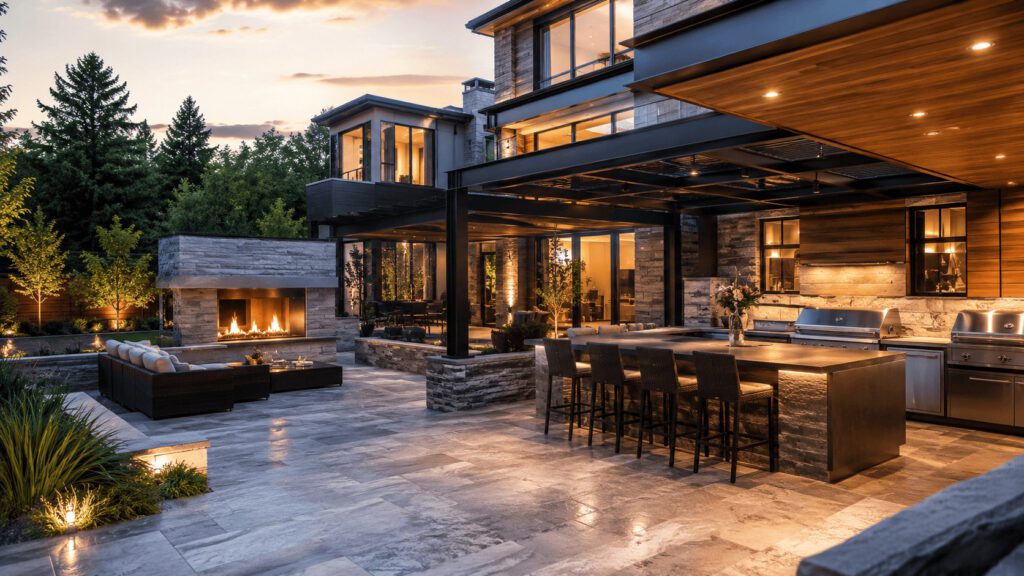
Several industry trends have contributed to the growing popularity of Design Build in Toronto:
- Demand for predictable budgets
- Preference for faster project delivery
- Increased project complexity
- Better collaboration between professionals
- Improved client experience
- Transparent communication
- Higher accountability
- Integrated project management
For custom homes, major renovations, and outdoor living projects, these benefits can make a significant difference.
People Also Ask (AEO Optimized)
1. Is Design Build cheaper than Traditional Construction?
Not necessarily. While the initial cost may be similar, the Design Build approach often reduces expensive design revisions, delays, and change orders, leading to better overall cost control.
2. Is Design Build faster?
Yes. Because planning, design, engineering, and construction teams work collaboratively, many project phases overlap, helping reduce the overall timeline.
3. Is Design Build suitable for custom homes?
Yes. It is commonly used for custom homes because it allows the design and construction teams to collaborate from the earliest stages of the project.
4. Can I customize my home’s design with Design Build?
Absolutely. Homeowners remain involved throughout the design process, making decisions alongside the integrated project team.
5. Does Design Build include engineering services?
In many cases, yes. Structural engineering and related services are often incorporated into the overall project workflow.
6. Is Design Build better for renovations?
For complex renovations that involve structural changes, integrated planning can simplify communication and improve project coordination.
7. Who manages permits?
This varies by company and project. Many Design Build firms assist clients with permit applications and coordination as part of their services.
8. Which method offers better communication?
Design Build typically provides one primary point of contact, which can simplify communication throughout the project.
9. Is Design Build only for luxury homes?
No. It can be used for a wide range of residential projects, including renovations, additions, outdoor living spaces, and custom homes.
10. Why is Design Build becoming more popular?
Many homeowners value its collaborative approach, predictable budgeting, and streamlined project management.
Final Verdict
Both Design Build and Traditional Construction have their place, and the right choice depends on the goals of your project.
However, for homeowners in Toronto seeking a collaborative, efficient, and well-coordinated construction experience, the Design Build model often provides advantages such as:
- Integrated planning
- Simplified communication
- Better budget visibility
- Improved scheduling
- Reduced project risk
- Greater accountability
By bringing designers, engineers, and builders together from the start, Design Build helps create a more connected and efficient project experience.
Why Choose EVERSTRUCT?
EVERSTRUCT delivers integrated residential design, engineering, construction, and outdoor living services throughout Toronto and the GTA.
Our collaborative approach allows homeowners to work with one experienced team from concept to completion, with a focus on quality craftsmanship, thoughtful planning, and transparent communication.
Whether you’re planning a custom home, renovation, or outdoor living project, our goal is to help bring your vision to life through a streamlined and client-focused process.
Start Your Construction Journey with Confidence
Planning a custom home, renovation, or outdoor living project in Toronto?
Connect with the experienced team at EVERSTRUCT to discuss your goals, explore your options, and discover how an integrated Design Build approach can support your project from concept to completion.
📞 Request a Consultation Today