Hardscaping vs Landscaping – What’s the Difference?

Your outdoor space is more than just the area surrounding your home—it’s an extension of your lifestyle. Whether you’re planning a complete backyard makeover or simply looking to boost curb appeal, you’ll likely come across two important terms: hardscaping and landscaping.
While they’re often used interchangeably, they reprofessional landscaping contractorfer to two very different aspects of outdoor design. Understanding how each contributes to your property can help you make smarter decisions, avoid costly mistakes, and create a balanced outdoor environment that is both beautiful and functional.
In this guide, you’ll learn:
- What hardscaping and landscaping actually mean
- The key differences between the two
- Their benefits and limitations
- Which option is best for your property
- Why combining both usually delivers the best long-term results
Whether you’re a homeowner planning renovations or searching for a professional landscaping contractor, this guide will help you confidently plan your next outdoor project.
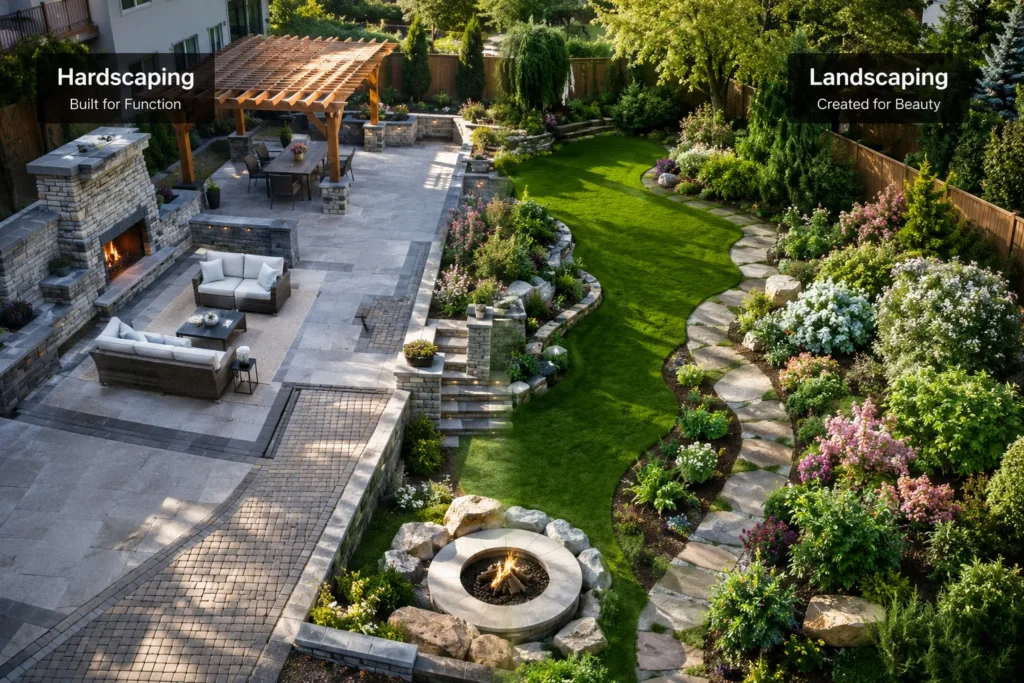
Hardscaping refers to the non-living elements of an outdoor space, such as patios, walkways, retaining walls, driveways, and stone features. Landscaping focuses on living elements like grass, trees, flowers, shrubs, and gardens. The best outdoor designs combine both hardscape design and landscaping to create attractive, functional, and sustainable outdoor spaces.
Why Understanding the Difference Matters
Many homeowners start outdoor projects without fully understanding the distinction between hardscaping and landscaping. As a result, they often:
- Overspend on unnecessary features
- End up with poor drainage
- Create maintenance-heavy yards
- Miss opportunities to improve property value
- Sacrifice functionality for appearance
A successful professional landscaping contractor project begins with knowing what each element contributes to the overall design.
Think of it this way:
- Hardscaping provides the structure.
- Landscaping brings the space to life.
Without hardscaping, your yard may lack usability.
Without landscaping, it may feel cold and unfinished.
What Is Hardscaping?
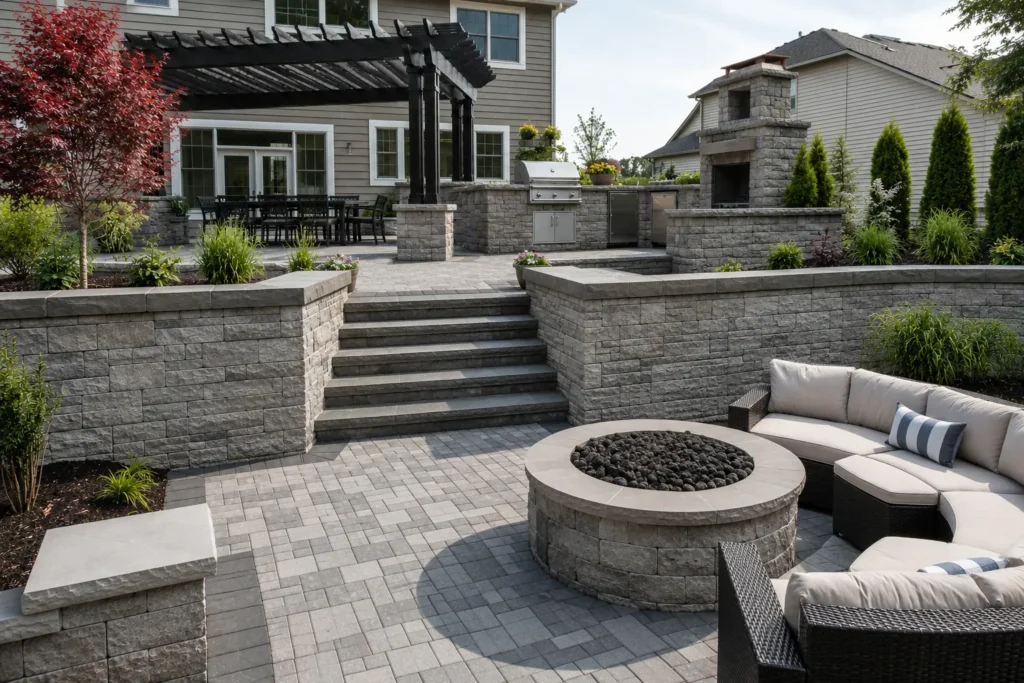
Hardscaping includes all the non-living, built features in your outdoor environment. These permanent structures create the framework that defines how people move through and use the space.
When comparing hardscaping vs landscaping, hardscape elements don’t grow or change with the seasons, making them a durable, long-term investment.
Common Hardscape Features
- Concrete patios
- Interlocking pavers
- Stone pathways
- Retaining walls
- Outdoor kitchens
- Fire pits
- Pergolas
- Driveways
- Steps and staircases
- Decorative stone borders
- Seating walls
- Water features with stone construction
These features improve both the appearance and functionality of your property.
Benefits of Hardscaping
1. Creates Functional Outdoor Living Areas
Hardscaping transforms unused yard space into areas where people can relax, entertain guests, cook outdoors, or spend time with family.
Examples include:
- Backyard patios
- Outdoor dining areas
- Fire pit gathering spaces
- Pool decks
2. Requires Less Maintenance
Unlike lawns or gardens, most hardscape materials require very little ongoing care.
Depending on the material, maintenance may simply include:
- Occasional cleaning
- Sealing every few years
- Removing weeds between pavers
- Minor repairs after many years
This makes hardscaping an excellent choice in the hardscaping vs landscaping decision for busy homeowners.
3. Improves Property Value
Professionally designed hardscape features often increase curb appeal and make homes more attractive to potential buyers.
Features like:
- Stone walkways
- Modern patios
- Retaining walls
- Decorative entrances
can significantly enhance first impressions.
4. Helps Manage Drainage
Proper hardscape design isn’t just about aesthetics—it also plays an important role in water management.
Strategically designed surfaces can:
- Direct water away from foundations
- Reduce erosion
- Prevent standing water
- Protect landscaping investments
This is particularly important in regions with heavy seasonal rainfall or freeze-thaw cycles.
5. Extends Outdoor Living Throughout the Year
Many hardscape features remain usable during multiple seasons.
For example:
- Covered patios
- Outdoor fireplaces
- Stone seating areas
- Pergolas
allow homeowners to enjoy their outdoor spaces well beyond summer.
What Is Landscaping?
Landscaping refers to the living components of your outdoor environment. It focuses on creating healthy, attractive, and environmentally balanced spaces using plants and natural materials.
In the hardscaping vs landscaping comparison, landscaping evolves over time as plants mature, seasons change, and gardens grow.
Common Landscaping Features
- Grass lawns
- Trees
- Flower beds
- Shrubs
- Ground cover plants
- Native plants
- Decorative gardens
- Hedges
- Mulch
- Soil improvements
- Irrigation systems
These elements soften outdoor spaces and create natural beauty.
Benefits of Landscaping
Enhances Natural Beauty
Colorful flowers, healthy lawns, and mature trees make any property feel inviting and vibrant.
When discussing hardscaping vs landscaping, landscaping also allows homeowners to personalize their outdoor spaces with different plant styles and seasonal interest.
Improves Environmental Health
Living landscapes provide numerous environmental benefits, including:
- Better air quality
- Reduced urban heat
- Wildlife habitat
- Pollinator support
- Improved soil health
- Natural stormwater absorption
Choosing native plants can further reduce water use and maintenance while supporting local ecosystems. The USDA Plant Hardiness Zone Map is an excellent resource for selecting plants that thrive in your local climate.
Creates Privacy
Strategically placed shrubs, hedges, and trees can create natural privacy screens without relying solely on fences.
They also help reduce noise and provide shade during warmer months.
Supports Mental Well-Being
Research consistently shows that spending time around greenery can help reduce stress and improve overall well-being.
A thoughtfully landscaped yard creates a peaceful environment for relaxation, outdoor activities, and family gatherings.
Hardscaping vs Landscaping: Side-by-Side Comparison
| Feature | Hardscaping | Landscaping |
| Main Components | Stone, concrete, brick, wood, metal | Trees, grass, flowers, shrubs |
| Living Elements | No | Yes |
| Maintenance | Low | Moderate to High |
| Lifespan | Decades | Changes over time |
| Installation | Construction-based | Planting and horticulture |
| Purpose | Structure and functionality | Beauty and environmental value |
| Seasonal Changes | Minimal | Significant |
| Water Requirements | Very low | Depends on plant selection |
This hardscaping vs landscaping comparison highlights why most successful outdoor projects rely on a thoughtful combination of both rather than choosing one over the other.
Which One Should You Prioritize?
When deciding hardscaping vs landscaping, the answer depends on your goals.
If your primary objective is creating a functional outdoor space for entertaining, dining, or improving accessibility, investing in high-quality hardscape features is often the right first step.
On the other hand, if your focus is enhancing curb appeal, increasing greenery, supporting local biodiversity, or creating a relaxing natural environment, landscaping may take priority.
In many cases, the most effective approach is to start with a comprehensive site plan that balances both structural elements and plant design. An experienced landscaping contractor can evaluate your property’s layout, drainage, sunlight exposure, and intended use to recommend the right mix of hardscaping and landscaping.
Planning an outdoor renovation? Contact Ever Struct to create a balanced outdoor space that combines durable hardscape design with attractive landscaping solutions tailored to your property’s layout, budget, and long-term goals.
Can You Have Hardscaping Without Landscaping?
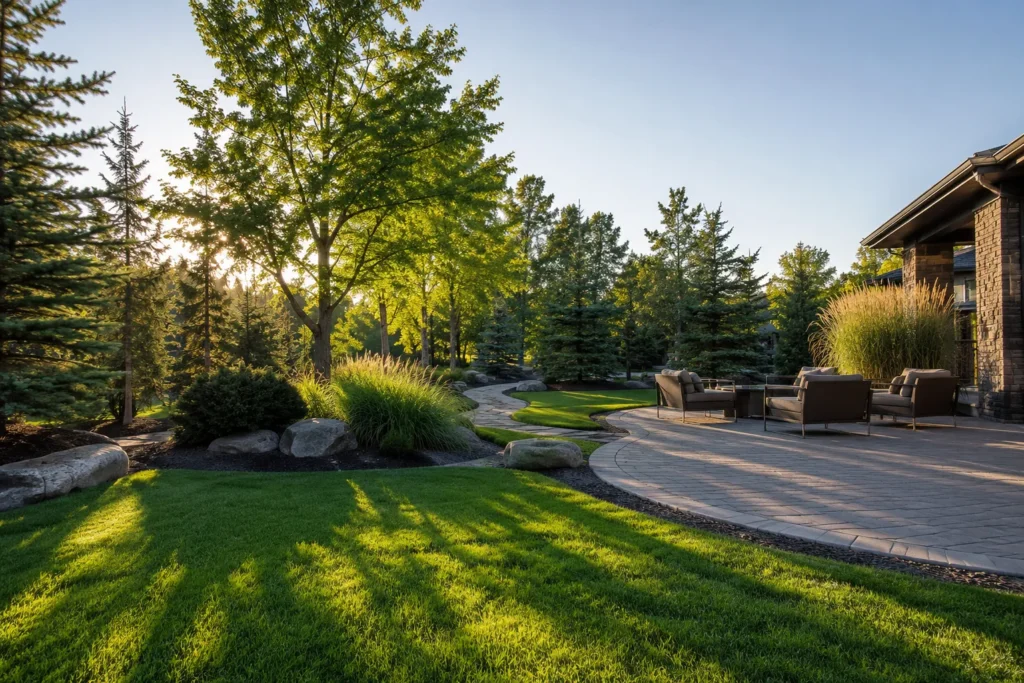
In the hardscaping vs landscaping debate, technically yes—but it rarely creates the most inviting or functional outdoor space.
Imagine a backyard made entirely of concrete, stone, and pavers. While it may be durable and low maintenance, it can feel harsh, hot during summer, and lacking in character.
Likewise, a yard filled only with grass, plants, and trees may look beautiful but may not provide usable outdoor living areas or durable walking surfaces.
The most successful outdoor spaces strike a balance between the two.
A Balanced Outdoor Design Might Include:
- An interlocking stone patio surrounded by flower beds
- A retaining wall with cascading ornamental plants
- A natural stone walkway leading through a landscaped garden
- An outdoor kitchen complemented by shade trees
- A fire pit area framed by shrubs and decorative grasses
This combination creates an outdoor environment that’s practical, visually appealing, and enjoyable throughout the year.
Hardscaping vs Landscaping: Which Adds More Value?
In the hardscaping vs landscaping comparison, both contribute to your property’s value, but they do so in different ways.
| Feature | Hardscaping | Landscaping |
| Improves Curb Appeal | ✔ | ✔ |
| Creates Outdoor Living Space | ✔✔✔ | ✔ |
| Boosts Functionality | ✔✔✔ | ✔ |
| Environmental Benefits | Limited | ✔✔✔ |
| Long-Term Durability | ✔✔✔ | Moderate |
| Seasonal Beauty | Limited | ✔✔✔ |
| Low Maintenance | ✔✔✔ | Moderate |
| Return on Investment | High for quality installations | High when professionally maintained |
When Hardscaping Delivers More Value
Hardscaping is often the better investment if you want to:
- Build a backyard entertainment area
- Improve accessibility with walkways or steps
- Reduce muddy or unusable spaces
- Solve drainage or erosion issues
- Expand usable outdoor living space
Because these features are permanent, they often remain valuable for decades with proper maintenance.
When Landscaping Offers Greater Value
Landscaping is ideal when your goals include:
- Creating a welcoming first impression
- Increasing shade and comfort
- Supporting local wildlife and pollinators
- Reducing heat around your home
- Enhancing seasonal beauty
Healthy lawns, mature trees, and well-planned gardens can dramatically improve the look and feel of a property.
Cost Comparison: Hardscaping vs Landscaping
Costs vary based on the size of the project, material selection, site conditions, and labor requirements.
Here’s a general comparison:
| Category | Hardscaping | Landscaping |
| Initial Cost | Higher | Lower to Moderate |
| Maintenance Cost | Low | Ongoing |
| Installation Time | Moderate to Long | Short to Moderate |
| Lifespan | 20–50+ years | Varies by plants |
| Replacement Frequency | Low | Moderate |
When evaluating hardscaping vs landscaping, hardscaping often requires a larger upfront investment, but its durability can make it more cost-effective over time.
Landscaping generally costs less initially but requires ongoing maintenance such as mowing, pruning, watering, fertilizing, and seasonal care.
Maintenance Requirements
Understanding long-term maintenance is an important part of comparing hardscaping vs landscaping and choosing the right balance for your lifestyle.
Hardscape Maintenance
When evaluating hardscaping vs landscaping, most hardscape features require relatively little upkeep.
Typical maintenance includes:
- Sweeping debris
- Pressure washing surfaces
- Resealing concrete or pavers when necessary
- Replacing damaged pavers if needed
- Checking drainage after heavy storms
Quality installation significantly reduces future repair needs.
Landscape Maintenance
In any hardscaping vs landscaping comparison, living landscapes require regular care to stay healthy.
Maintenance may include:
- Lawn mowing
- Watering
- Fertilizing
- Seasonal pruning
- Weed control
- Mulching
- Pest management
- Replacing seasonal flowers
Selecting native or drought-tolerant plants can reduce ongoing maintenance while supporting local ecosystems.
How to Decide What’s Right for Your Property
Every hardscaping vs landscaping project is unique because every property has different needs and goals.Before beginning any outdoor project, consider the following questions.
1. What Is Your Primary Goal?
Ask yourself:
- Do I want more entertaining space?
- Do I need better drainage?
- Am I focused on curb appeal?
- Do I want lower maintenance?
- Do I need child-friendly or pet-friendly spaces?
Your answers will guide the right hardscaping vs landscaping balance for your property.
2. Consider Your Property’s Layout
A sloped yard may benefit from:
- Retaining walls
- Stone stairs
- Drainage systems
A flat yard might be better suited for:
- Large patios
- Garden beds
- Decorative pathways
- Outdoor seating areas
A successful hardscaping vs landscaping design should always work with the land—not against it.
3. Think About Long-Term Maintenance
Some homeowners enjoy gardening every weekend.
Others prefer a beautiful outdoor space that requires minimal upkeep.
Being realistic about the time you’re willing to invest helps ensure long-term satisfaction.
4. Set a Realistic Budget
For hardscaping vs landscaping projects, a phased approach often delivers the best results.
For example:
Phase 1
- Patio installation
- Walkway construction
- Drainage improvements
Phase 2
- Trees
- Shrubs
- Garden beds
- Lawn installation
Breaking projects into stages makes larger transformations more manageable without compromising quality.
Common Mistakes to Avoid
Whether you’re tackling a DIY project or hiring a professional, avoiding these hardscaping vs landscaping mistakes can save time, money, and frustration.
Ignoring Drainage
One of the biggest mistakes is focusing only on appearance.
Poor drainage can lead to:
- Standing water
- Soil erosion
- Foundation issues
- Damaged pavers
- Dying plants
A successful hardscaping vs landscaping project should always address water management first.
Choosing Materials Without Considering Climate
Not every material performs well in every environment.
Factors such as freeze-thaw cycles, heavy rainfall, UV exposure, and soil conditions should influence your choice of:
- Pavers
- Natural stone
- Concrete
- Wood
- Plants
When comparing hardscaping vs landscaping, durability should always be considered alongside appearance.
Overcrowding the Space
Trying to fit too many features into a small yard can make it feel cluttered.
Instead, prioritize:
- Comfortable movement
- Open gathering areas
- Balanced plant placement
- Proper spacing between structures
The best hardscaping vs landscaping designs are often simple, intentional, and have the greatest visual impact.
Neglecting Future Growth
Plants that look small today may become much larger over time.
Without proper planning, trees and shrubs can:
- Block walkways
- Damage hardscape features with roots
- Reduce sunlight
- Increase maintenance
Proper hardscaping vs landscaping planning for mature plant size prevents expensive corrections later.
Hiring Based on Price Alone
The lowest quote isn’t always the best value.
A qualified landscaping contractor considers:
- Site grading
- Drainage
- Material quality
- Structural integrity
- Local climate
- Long-term performance
Professional hardscaping vs landscaping planning helps avoid costly repairs and ensures your investment lasts.
Why Professional Planning Makes a Difference
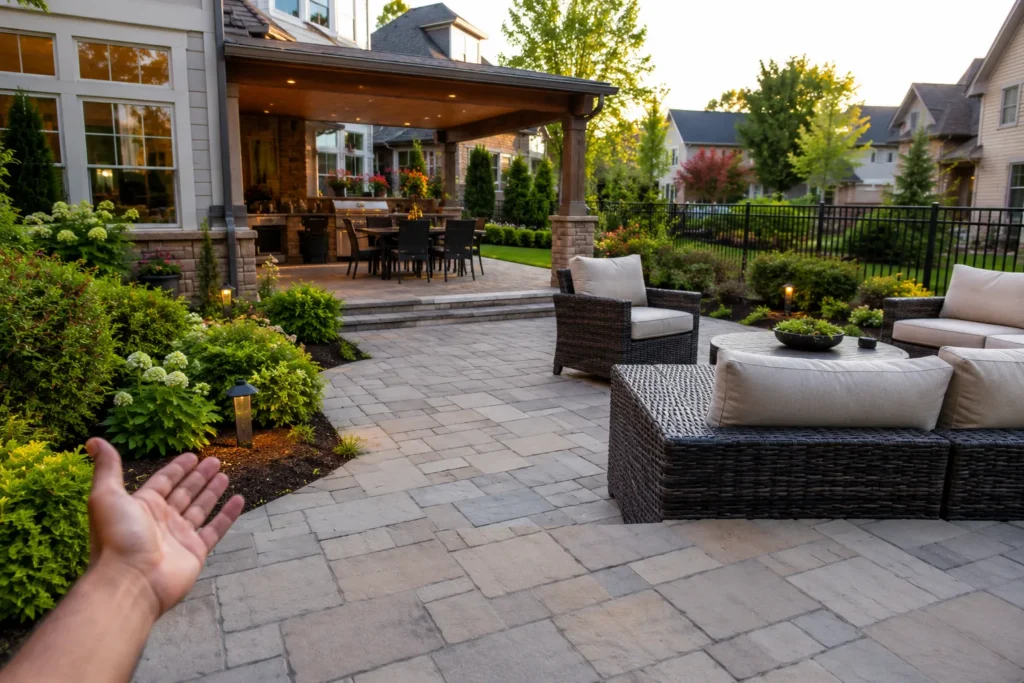
Successful hardscaping vs landscaping projects involve more than choosing attractive plants or paving materials. The American Society of Landscape Architects (ASLA) emphasizes that successful outdoor spaces combine functionality, sustainability, and thoughtful design. Successful designs require careful coordination of grading, drainage, functionality, aesthetics, and long-term maintenance.
An experienced contractor can help you:
- Develop a cohesive master plan
- Select materials that suit your climate and budget
- Balance hardscape and landscape elements
- Prevent drainage and erosion issues
- Maximize usable outdoor living space
- Increase long-term property value
Rather than treating hardscaping vs landscaping as competing approaches, professionals view them as complementary parts of a unified outdoor design.
If you’re planning to upgrade your property’s exterior, Ever Struct can help you design an outdoor space that blends durable hardscape features with thoughtfully planned landscaping. From concept to construction, working with experienced professionals ensures every element functions together beautifully and stands the test of time.
Frequently Asked Questions
1. What is the main difference between hardscaping and landscaping?
The primary difference is that hardscaping includes the non-living, structural elements of an outdoor space—such as patios, retaining walls, walkways, and driveways—while landscaping focuses on living elements like lawns, trees, shrubs, flowers, and gardens. A well-designed property typically combines both to create a functional and visually appealing outdoor environment.
2. Is hardscaping more expensive than landscaping?
In most cases, yes. Hardscaping usually has a higher upfront cost because it involves construction materials such as concrete, stone, brick, or pavers and skilled installation. Landscaping generally costs less initially but often requires ongoing maintenance, including watering, pruning, fertilizing, and seasonal care.
3. Which adds more value to a home?
Both can increase property value in different ways.
- Hardscaping adds functional outdoor living space, improves accessibility, and enhances durability.
- Landscaping boosts curb appeal, creates a welcoming first impression, and improves environmental benefits.
For the best return on investment, many homeowners choose a balanced design that incorporates both.
4. Can I complete my project in phases?
Absolutely. Many outdoor renovations are completed in stages.
A common approach is:
- Install patios, walkways, retaining walls, or drainage systems.
- Add trees, shrubs, lawns, and garden beds afterward.
Phasing your project allows you to spread costs over time while maintaining a cohesive design plan.
5. Do I need a landscaping contractor for hardscaping projects?
It depends on the complexity of the project. Small garden improvements may be suitable for DIY, but larger projects involving grading, retaining walls, drainage, patios, or integrated outdoor living spaces are best handled by an experienced landscaping contractor. Professional planning helps ensure safety, durability, and proper water management.
6. How do I choose the right balance in the hardscaping vs landscaping decision?
Start by identifying your goals.
If you want more usable outdoor space for entertaining or relaxing, prioritize hardscape features such as patios or walkways. If your focus is greenery, shade, and natural beauty, invest more in landscaping. For most properties, the ideal solution is a thoughtful combination of both, tailored to your lifestyle, budget, and site conditions.
7. What is softscaping, and how is it different from hardscaping?
Softscaping refers to the living, horticultural elements of a landscape, including grass, trees, shrubs, flowers, mulch, and soil. Hardscaping consists of the non-living structural features such as patios, walkways, retaining walls, and driveways. Together, softscaping and hardscaping create a balanced, functional, and visually appealing outdoor space.
8. Does hardscaping require permits?
Some hardscaping projects may require permits, depending on your municipality and the scope of the work. Structures like retaining walls above a certain height, large decks, drainage modifications, or extensive grading may need approval. Before starting any major project, consult your local building authority or work with an experienced contractor who understands local regulations.
9. What are the best materials for hardscape design?
The best hardscape material depends on your budget, design preferences, and local climate. Popular options include:
- Concrete: Durable, versatile, and cost-effective
- Interlocking pavers: Attractive, easy to repair, and available in many styles
- Natural stone: Premium appearance with exceptional longevity
- Brick: Classic look and timeless appeal
- Gravel: Affordable and ideal for pathways or informal spaces
A professional can recommend the most suitable material based on your property’s conditions and intended use.
10. When is the best time to start a hardscaping or landscaping project?
Spring, summer, and early fall are generally the best seasons for outdoor projects because weather conditions are more favorable for construction and plant establishment. However, the ideal timing depends on your location, project scope, and material availability. Planning your project in advance also gives you more flexibility in scheduling and helps ensure it’s completed before peak seasons.
Final Thoughts – Hardscaping vs Landscaping—Why the Best Outdoor Spaces Need Both
Choosing between hardscaping vs landscaping isn’t really about deciding which one is better—it’s about understanding how each contributes to a well-designed outdoor space.
Hardscaping provides the structure that makes a yard functional, durable, and easy to navigate. Landscaping adds color, texture, shade, and a connection to nature that makes the space feel welcoming and alive.
When these two elements are planned together, they create outdoor spaces that:
- Improve curb appeal
- IncreaseCommercial Concrete Slabs usable living space
- Enhance property value
- Support proper drainage
- Reduce long-term maintenance issues
- Deliver year-round enjoyment
Whether you’re planning a small front-yard refresh or a complete backyard transformation, understanding hardscaping vs landscaping from the beginning helps you avoid costly changes later and ensures every feature works together seamlessly.
Ready to Transform Your Outdoor Space?
If you’re considering a new patio, retaining wall, walkway, garden renovation, or a complete outdoor makeover, Ever Struct can help you bring your hardscaping vs landscaping vision to life.Our team specializes in thoughtful hardscape design and professionally planned landscaping solutions that combine beauty, durability, and long-term performance.
Contact Ever Struct today to discuss your project and discover how a balanced outdoor design can enhance your property’s value, functionality, and curb appeal for years to come.